The Evolution of Cryptocurrency: A Decade-Long Academic Analysis of Market Dynamics and Technological Innovation
This comprehensive academic analysis examines the cryptocurrency industry's remarkable transformation over the past decade, from Bitcoin's early adoption to today's $92,911 valuation and the emergence of sophisticated DeFi ecosystems.
Introduction: A Decade of Digital Asset Revolution 🚀
The cryptocurrency industry has undergone unprecedented transformation since its nascent stages in the early 2010s. As of January 19, 2026, Bitcoin trades at $92,911, while Ethereum maintains a robust position at $3,205.25, reflecting the maturation of digital assets from experimental technologies to mainstream financial instruments.
Market Capitalization Growth: From Millions to Trillions
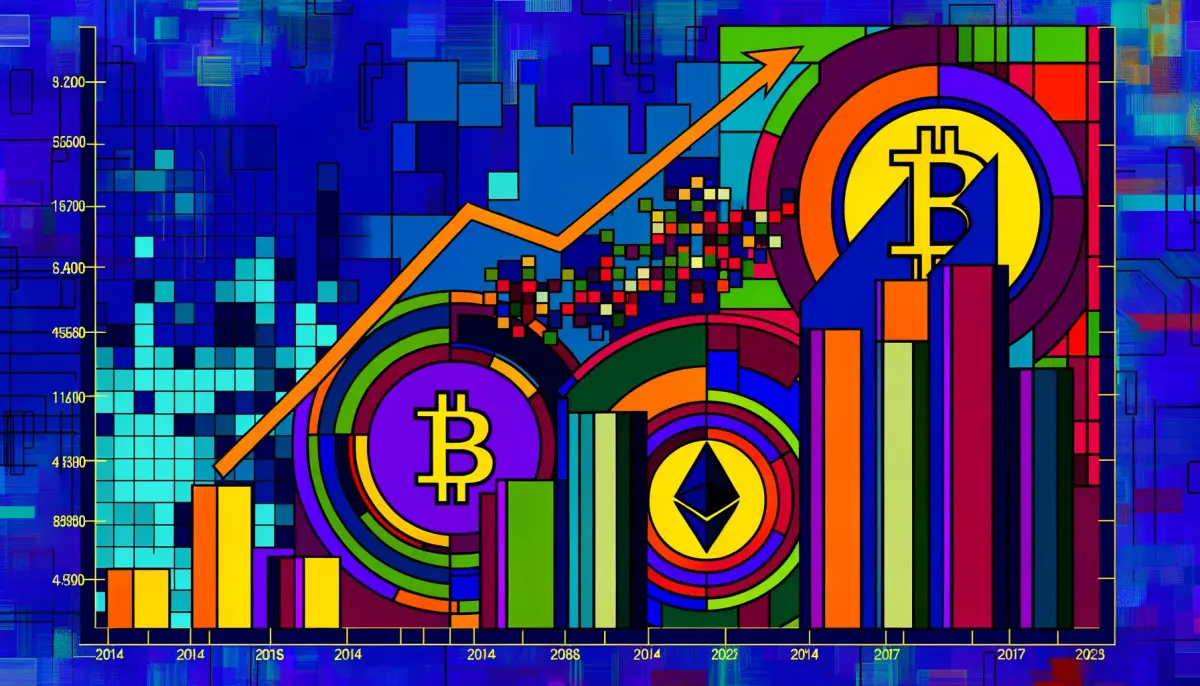
The cryptocurrency market has experienced exponential growth in market capitalization over the past decade. Beginning with Bitcoin's modest valuation below $1,000 in 2013, the total crypto market cap has surged through multiple cycles:
2013-2017: The foundational period saw Bitcoin rise from under $100 to nearly $20,000
2018-2020: Market correction and consolidation phase
2021-2023: Institutional adoption surge pushing total market cap beyond $3 trillion
2024-2026: Regulatory clarity and mainstream integration era
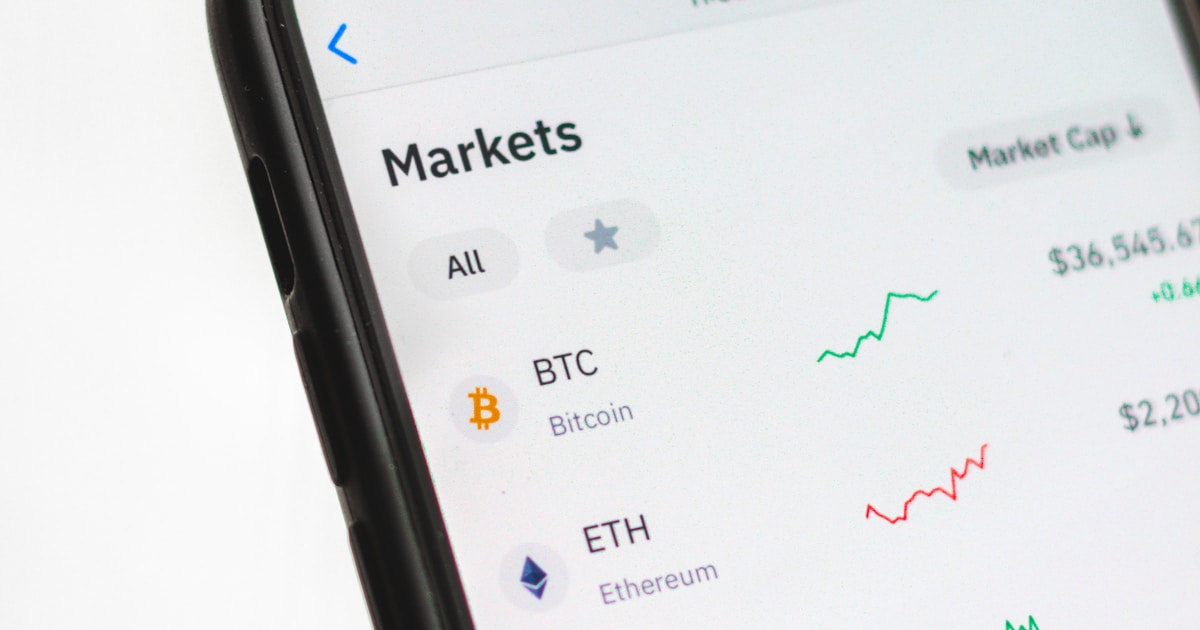
Current market leaders demonstrate this evolution: Bitcoin at $92,911, Ethereum at $3,205.25, and Binance Coin (BNB) at $925.69, with XRP maintaining its position at $1.99.
Trading Volume Dynamics and Market Maturation
Trading volume patterns reveal the market's increasing sophistication. Daily trading volumes have grown from millions in early years to consistently exceeding $50 billion across major exchanges. This growth reflects:
Enhanced market liquidity and reduced volatility
Institutional participation through regulated exchanges
Algorithmic trading and market-making activities
Cross-border arbitrage opportunities
Institutional Participation: The Paradigm Shift
The past decade witnessed a fundamental shift from retail-dominated markets to institutional participation:
Corporate Treasury Adoption
Companies like MicroStrategy, Tesla, and Square allocated significant treasury reserves to Bitcoin , legitimizing crypto as a store of value.
Investment Vehicle Development
The introduction of Bitcoin ETFs, futures contracts, and institutional custody solutions has facilitated professional investment management.
Traditional financial institutions now offer crypto services, with major banks providing custody, trading, and advisory services.
Regulatory Frameworks: Global Divergence and Convergence
Regulatory evolution has been heterogeneous across jurisdictions:
United States: SEC guidance and proposed legislation creating clearer frameworks
European Union: MiCA regulation establishing comprehensive crypto asset rules
Asia-Pacific: Varied approaches from Singapore's progressive stance to China's restrictive policies
Emerging Markets: Bitcoin adoption as legal tender in El Salvador and Central African Republic
Technological Innovations: Beyond Simple Transactions
Blockchain Scalability Solutions
The industry has addressed scalability challenges through:
Layer 2 solutions (Lightning Network, Polygon, Arbitrum)
Sharding implementations on Ethereum 2.0
Alternative consensus mechanisms (Proof-of-Stake)
Decentralized Finance (DeFi) Ecosystem
DeFi has revolutionized traditional financial services through:
Automated market makers and liquidity pools
Lending and borrowing protocols
Synthetic assets and derivatives
Cross-chain interoperability solutions
Stablecoin Infrastructure
Stablecoins have emerged as critical infrastructure, facilitating:
Reduced volatility for everyday transactions
Cross-border payment efficiency
DeFi protocol stability mechanisms
Market Cycles and Systemic Risk Assessment
Identified Market Cycles
Academic analysis reveals distinct four-year cycles correlated with Bitcoin halving events:
2013-2017 Cycle: Retail speculation and exchange development
2017-2021 Cycle: ICO boom, regulatory scrutiny, and institutional entry
2021-2025 Cycle: DeFi explosion, NFT markets, and regulatory maturation
Key risk factors include:
Regulatory uncertainty and potential restrictions
Technological vulnerabilities and smart contract risks
Market concentration among major holders
Environmental concerns regarding energy consumption
Correlation with traditional financial markets during stress periods
Long-term Structural Trends 💡
Several structural trends will shape the industry's future:
Central Bank Digital Currencies (CBDCs)
Government-issued digital currencies will coexist with decentralized cryptocurrencies, potentially creating hybrid financial systems.
Blockchain technology integration with internet infrastructure will enable new business models and user experiences.
Environmental considerations will drive adoption of energy-efficient consensus mechanisms and carbon-neutral blockchain networks.
Implications for Future Research
Academic research opportunities include:
Behavioral economics of crypto adoption patterns
Monetary policy implications of widespread crypto adoption
Cross-border payment efficiency and financial inclusion
Systemic risk modeling in hybrid traditional-crypto financial systems
Governance mechanisms in decentralized autonomous organizations
The cryptocurrency industry's evolution over the past decade represents one of the most significant financial innovations in modern history. From Bitcoin's current valuation of $92,911 to Ethereum's position at $3,205.25, the market demonstrates increasing maturity and institutional acceptance. As the industry continues evolving, academic research must adapt to analyze these complex, interconnected systems that challenge traditional financial paradigms.